

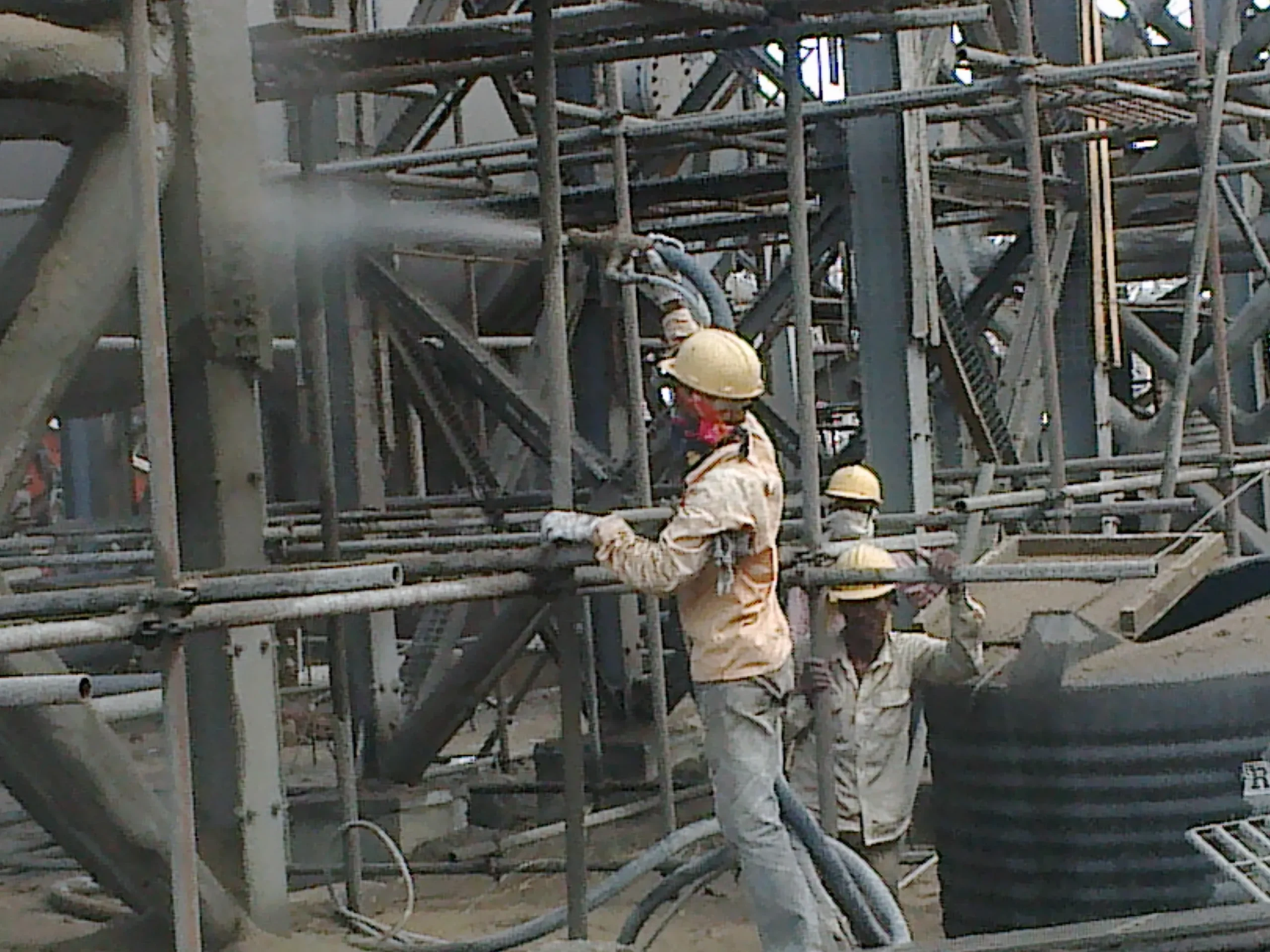
What Is Fire Retardant Paint? Benefits, Uses & How It Works (Complete Guide)
Learn what fire retardant paint is and how it helps in the fire protection of buildings.
Fire safety is not only about alarms or extinguishers. A lot of protection begins quietly, even before a fire starts.
In modern buildings, materials like steel, wood, and concrete form the backbone of the structure. But during a fire, these materials react differently. Steel, for example, can lose strength quickly when exposed to high heat. This is where protective coatings become important.
One such solution is fire retardant paint. It is a specially designed coating that helps slow down the spread of flames and reduces heat impact on surfaces. Instead of letting fire damage spread quickly, it creates an extra layer of protection on the material. You may also hear terms like intumescent paint or fire-resistant paint. While they are closely related, each plays a slightly different role in fire protection systems. All of them share one main goal: to improve safety and give more time during emergency situations.
In today’s construction and infrastructure, this type of protection is becoming a basic requirement, not an option. It supports safer buildings, faster evacuation, and greater structural stability during fire exposure.
What Is Fire Retardant Paint?
Fire retardant paint is a special type of coating that helps slow the spread of fire on a surface. It is applied to materials such as steel, wood, and concrete to improve fire safety.
When exposed to heat, it reacts to form a protective layer that slows how quickly the fire can damage the underlying surface.
In simple terms, it is a safety coating that provides extra protection in fire situations.
How Fire-Retardant Paint Works
Fire retardant paint works in a simple but effective way. It reacts when exposed to high heat, forming a protective barrier on the surface. This helps slow damage and protect the base material for longer.
Here’s how it works step by step:
1. Normal condition (before fire)
In normal conditions, the paint looks and behaves like a regular coating. It sits on the surface of materials like steel or wood and does not change anything in daily use.
2. Exposure to high heat
When a fire starts, and the temperature rises, the coating begins to react. This reaction is triggered by heat, not directly by smoke or flame.
3. Expansion of coating
The paint starts to swell. This process is important in intumescent paint, where the coating thickens when exposed to heat.
4. Formation of protective layer
After expansion, a thick, foam-like layer is formed on the surface. This layer acts as insulation, slowing heat transfer to the material below.
5. Delay in structural damage
Because heat takes longer to reach the base material, the structure remains protected for longer. This delay helps improve safety and gives extra time for evacuation and control measures.
In short, the paint acts as a protective shield that activates only during a fire and helps reduce the rate of damage.
Types of Fire-Retardant Paint
Different types of fire retardant paint are used depending on the material, environment, and level of protection needed. Each type works slightly differently but serves the same purpose: slowing fire damage.
1. Water-based fire-retardant paint
This type uses water as the main base.
- Low odour and easy to apply
- Safer for indoor use
- Commonly used in residential and commercial buildings
- Dries faster compared to other types
It is generally preferred where indoor safety and cleaner applications are important.
2. Solvent-based fire-retardant paint
This type uses chemical solvents.
- Strong adhesion on different surfaces
- Suitable for industrial environments
- Performs well in tougher conditions
- Takes longer to dry compared to water-based types
It is often used in factories and large infrastructure projects.
3. Epoxy-based fire protective coating
This is a high-performance coating type.
- Very strong and durable
- Works well in harsh environments
- Commonly used on steel structures
- Offers long-lasting protection
It is preferred where structural strength and long-term fire resistance are important.
Benefits of Fire-Retardant Paint
- Using fire retardant paint adds an extra layer of safety to buildings and structures. It is not just about stopping fire, but about reducing its impact.
- Slows fire spread: It reduces the rate at which flames spread across surfaces. This helps control fire growth in the early stages.
- Protects structural materials: It helps protect materials like steel and wood from quick damage caused by high heat.
- Gives more evacuation time: By slowing down the fire impact, it provides extra time for people to safely exit the building.
- Reduces heat impact: The protective layer acts as insulation, reducing direct heat transfer to the surface.
- Supports safety compliance: It helps buildings meet fire safety requirements and standards used in modern construction.
Where Fire Retardant Paint Is Used
Fire retardant paint is used in many places where safety and structural protection are important. It is mainly applied to surfaces that can get damaged quickly during fire exposure.
1. Commercial buildings
Fire retardant paint is commonly used in offices, malls, and other commercial spaces. These places have high foot traffic, so slowing the spread of fire becomes very important. The coating helps protect the building’s structural components and supports safer evacuation during emergencies.
2. Industrial plants and warehouses
Factories and storage areas often deal with heat, machinery, and flammable materials. In such environments, fire retardant paint helps reduce the risk of rapid fire spread. It also protects large structural areas, giving more time for control during fire situations.
3. Steel structures in construction
Steel is strong in normal conditions but weakens quickly when exposed to high temperatures. That’s why it is widely coated with fire protection systems. The paint helps delay the heat’s impact on steel, keeping the structure stable for longer during fire exposure.
4. Public infrastructure
Airports, metro stations, and railway terminals require robust fire safety systems due to high public use. Fire retardant coatings are used to improve safety and help manage fire risks in large open spaces.
5. Hospitals and educational buildings
Hospitals, schools, and colleges need additional safety measures due to the large number of people present at any given time. Fire retardant paint enhances protection and allows more time for evacuation, which is critical in such environments.
Fire Retardant Paint vs Fire Resistant Paint vs Intumescent Paint
These terms are often used in a similar way, but they are not exactly the same. Each one works differently and is used for specific fire protection needs.
|
Type |
Function |
Key Feature |
| Fire Retardant Paint | Slows ignition & flame spread | Provides surface protection by reducing early fire spread |
| Fire Resistant Paint | Withstands higher temperatures | Delays structural damage under fire exposure |
| Intumescent Paint | Expands under heat | Forms an insulating layer that protects the surface, especially steel |
Building Safer Structures Starts with the Right Protection
Fire safety in modern buildings is no longer limited to alarms and emergency systems. It also depends on how well materials are protected before any fire even begins.
Coatings like fire retardant paint, fire resistant paint, and intumescent paint play an important role in slowing the spread of fire and protecting structural integrity. They help reduce damage, improve safety, and provide valuable time during emergencies. This makes them an essential part of today’s construction and infrastructure planning.
At Vijay Systems, we understand how critical structural protection is in real-world conditions. We work closely on fire protection solutions that are designed to support safer buildings and stronger infrastructure. Through our solutions, such as steel protection systems, we aim to help projects achieve better safety performance where it matters most.
Choosing the right fire protection system is not just a technical decision; it is a safety commitment.