What Is Fire Retardant Paint - And How Is It Different from Fire Resistant Paint?
Fire retardant paint is a specialised fire retardant coating applied to structural steel, electrical cables to slow the spread of fire and delay ignition. These coatings help to reduce flames travel time across materials, improving the overall fire safety of a building.
A fire retardant coating works by reacting chemically when exposed to Flame / high temperatures. This reaction creates a protective barrier that reduces heat transfer and prevents flames from spreading rapidly across surfaces.
There is an important difference between fire protection coatings:
Intumescent paint is a specialised type of fire retardant paint. When exposed to heat, it expands and forms an insulating char layer that protects structural steel from high temperatures.
In general, fire retardant coating is the broader category that includes fire retardant, fire resistant, and intumescent protection systems.
How Fire Retardant Coatings Work – 3 Critical Applications in Modern Buildings
Fire retardant coatings function differently depending on the material they protect whether structural steel, building surfaces, or electrical cable systems. These engineered fire retardant paint and fire resistant paint solutions create protective barriers that delay heat transfer and slow flame spread, helping safeguard critical building components during a fire event
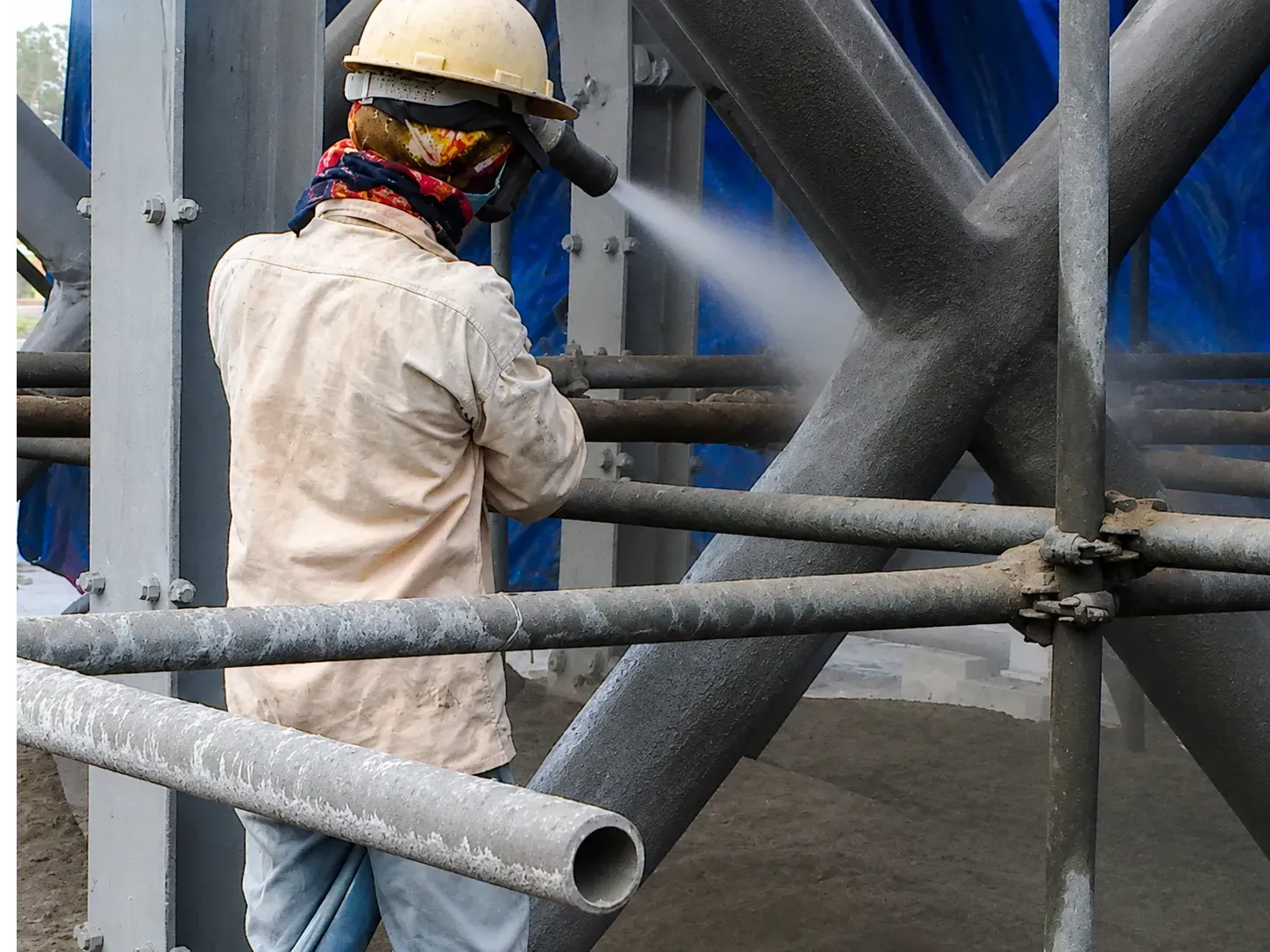
Structural Steel Protection with Intumescent Paint
Structural steel is protected using intumescent paint, which expands rapidly when exposed to high temperatures. The coating forms a thick insulating char layer around steel beams and columns, reducing heat transfer and delaying the rise in steel temperature. This protection helps maintain structural integrity for up to 2 hours during fire exposure.
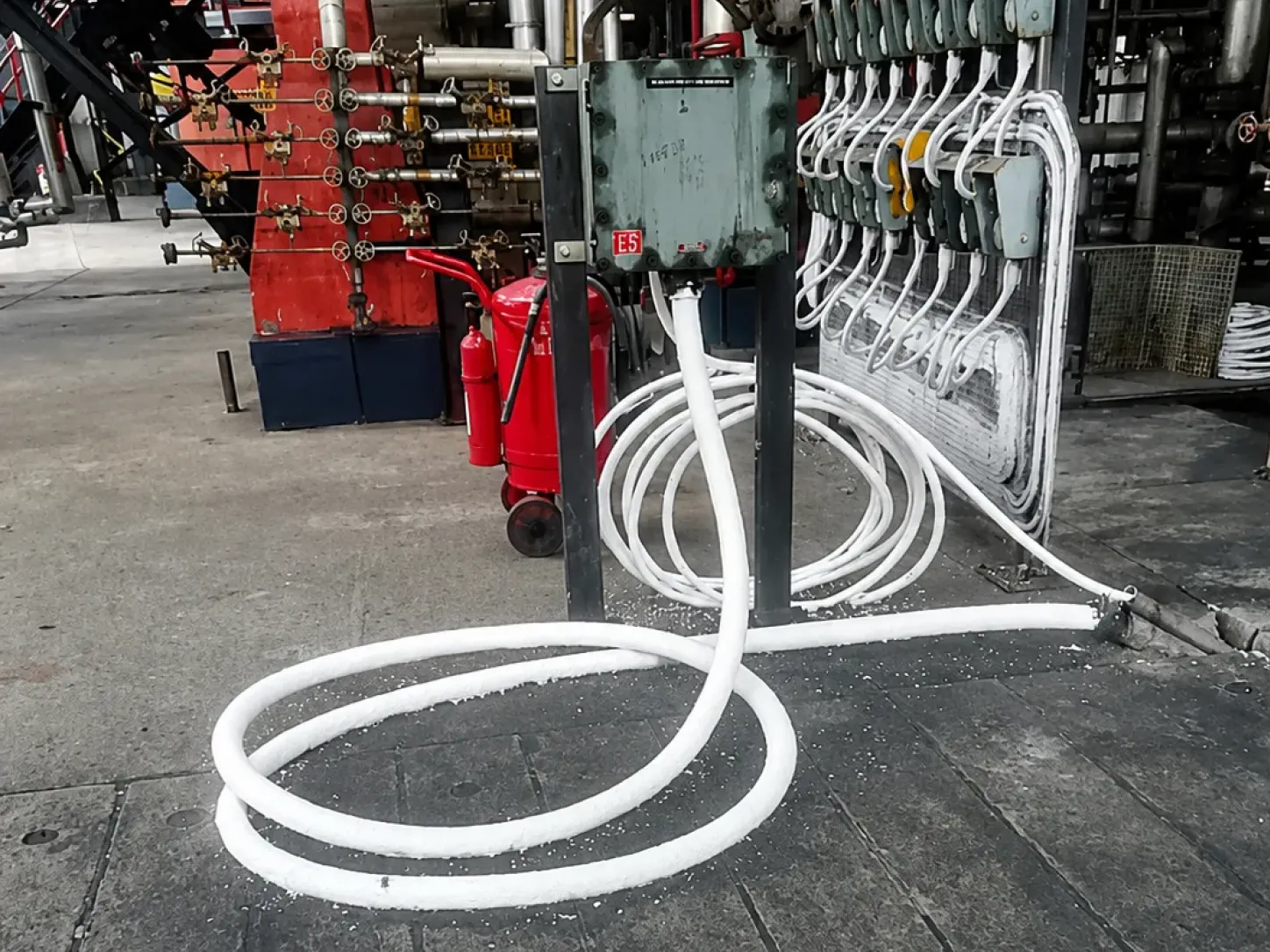
Fire Retardant Paint for cables (Cable Fire Protection)
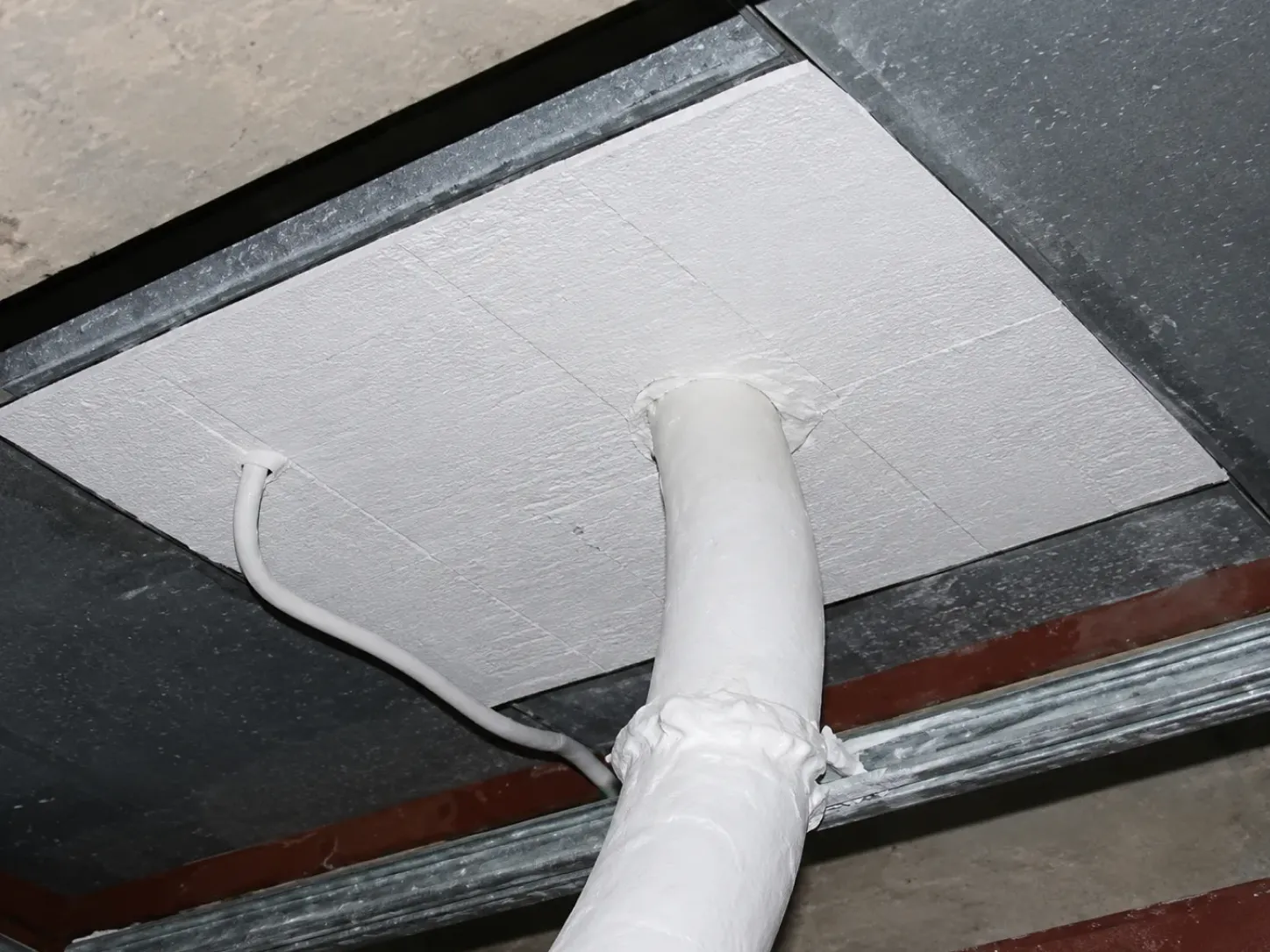
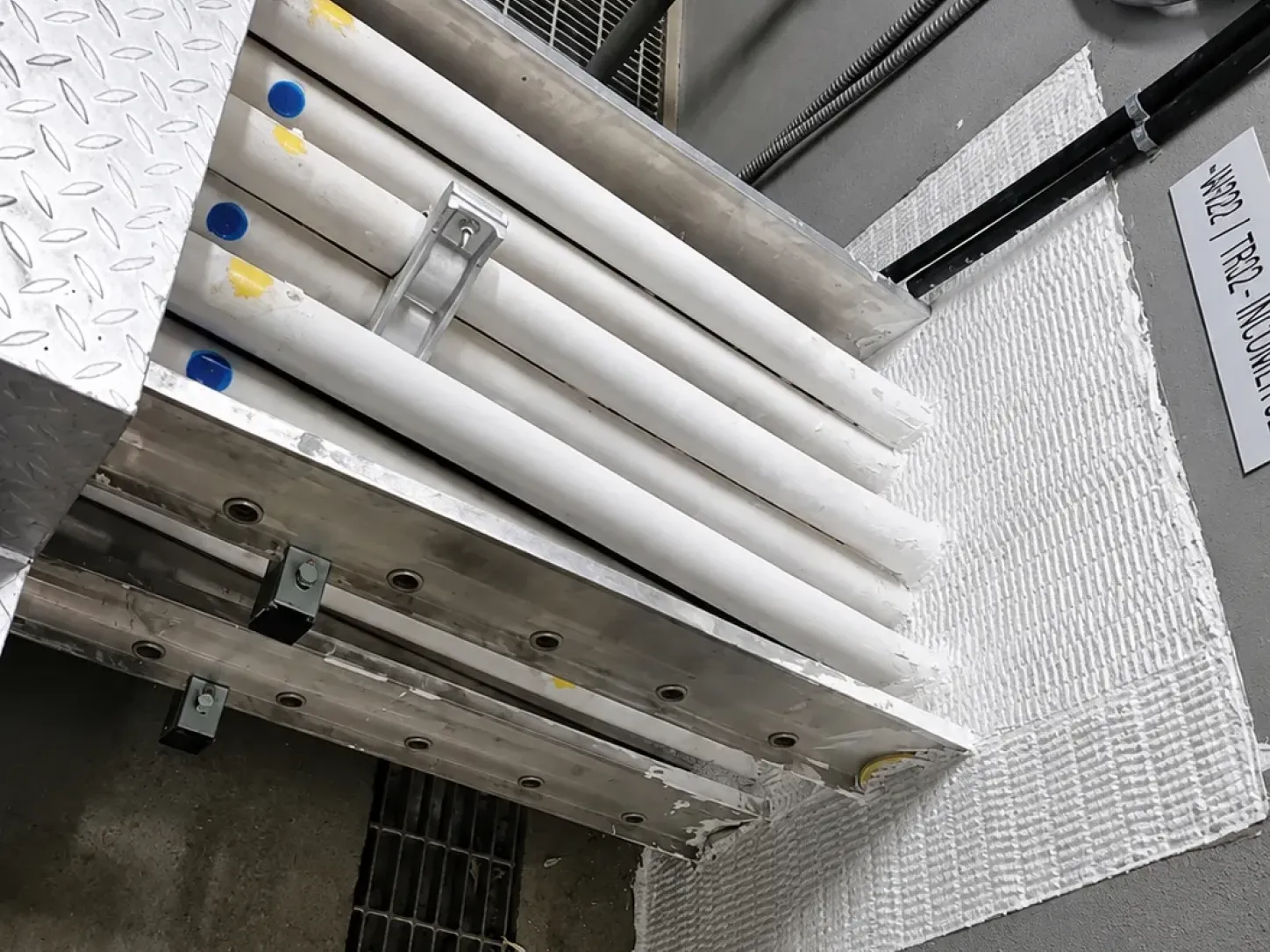
Electrical infrastructure requires fire retardant paint for cables and fire retardant cable coating to prevent fire from spreading along cable trays.
Cable surfaces are protected using fire retardant paint, which delays ignition and slows the spread of flames across cable surface by coating effect. In areas exposed to higher heat levels, specialised fire resistant paint variants provide enhanced fire endurance.
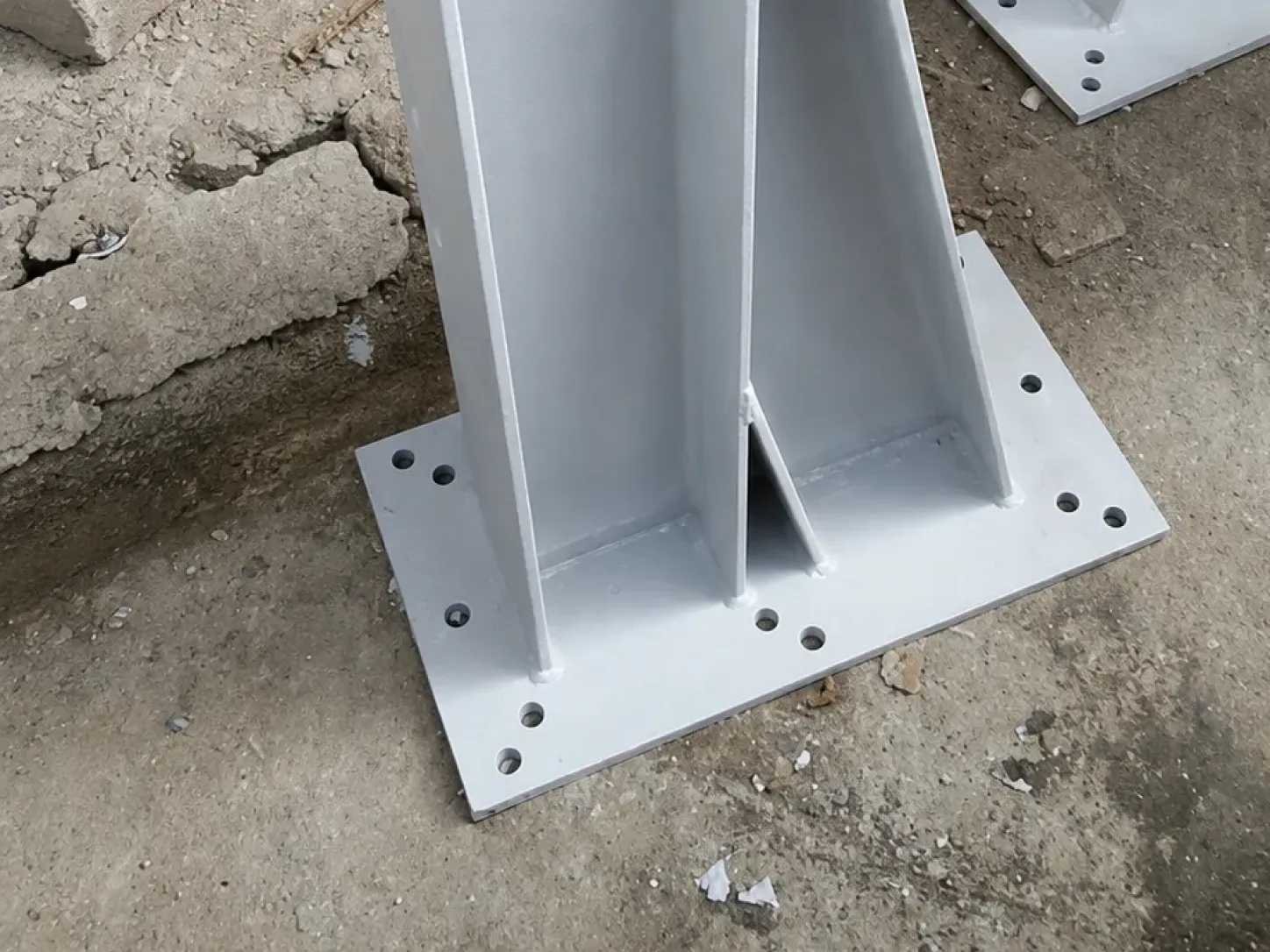
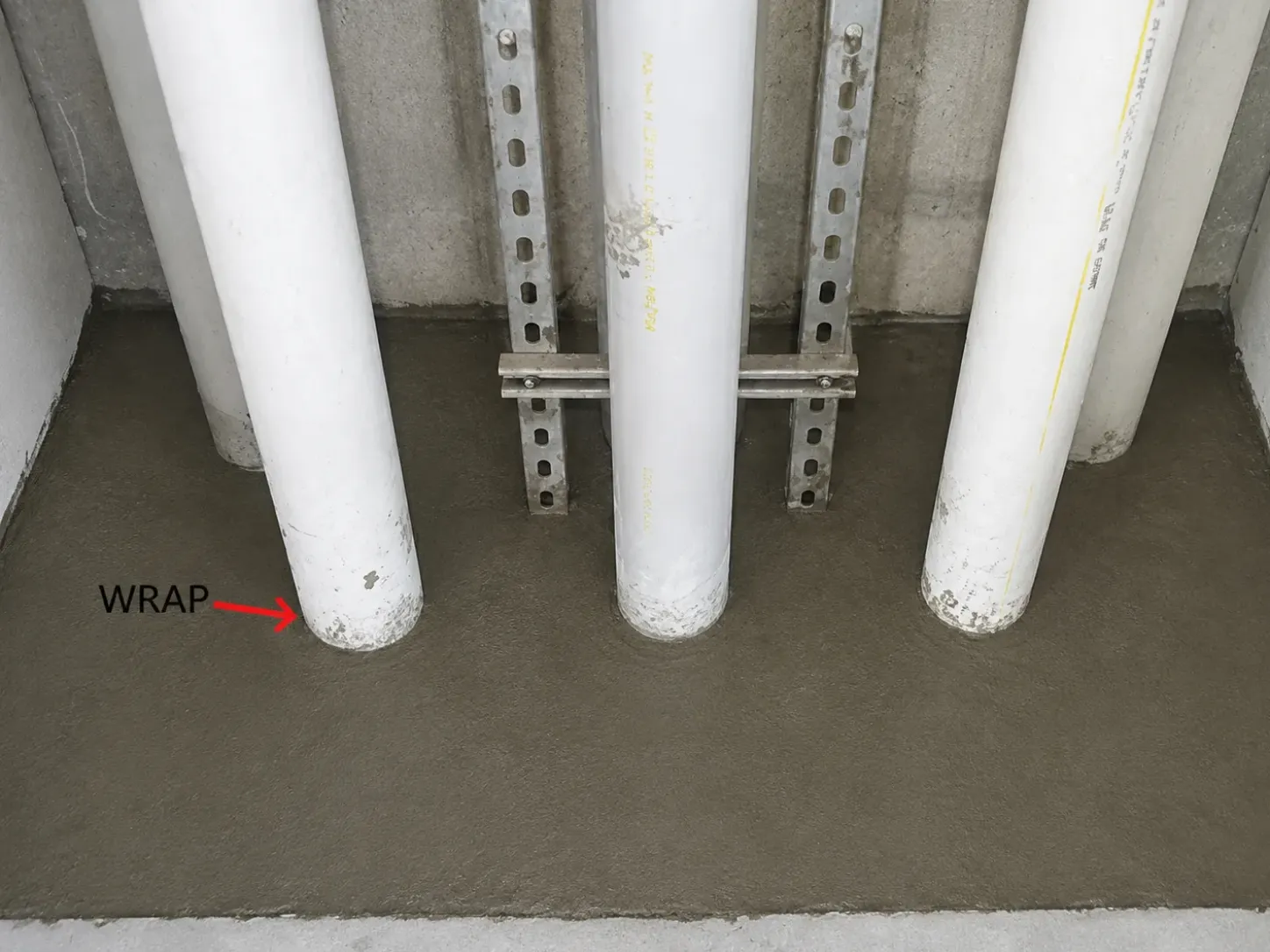
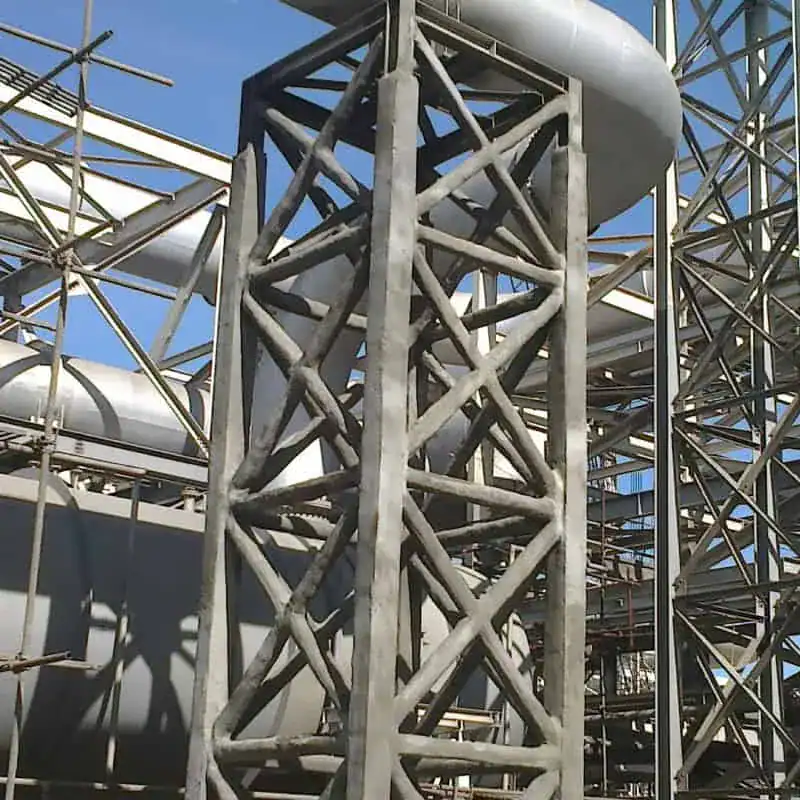
Structural Steel Protection with Vermiculite concrete.
These coatings are especially critical in environments such as data centres, power plants, and industrial facilities.
Our Fire-Retardant Coating Products - Engineered for Steel, Surfaces & Cables
Vijay Systems offers a specialised range of fire retardant coating solutions engineered to protect structural steel, building surfaces, and electrical cable systems from fire damage. Designed to meet modern building safety requirements, our fire retardant paint, intumescent paint, and fire resistant paint systems provide reliable passive fire protection for residential, commercial, and industrial environments.
Our product portfolio includes advanced coatings developed to safeguard different building substrates.
An advanced intumescent paint for structural steel, this coating expands rapidly when exposed to high temperatures, forming a protective insulating char layer around steel beams and columns. This helps delay heat transfer and protects structural members for up to two hours, maintaining the stability of the building during fire exposure.
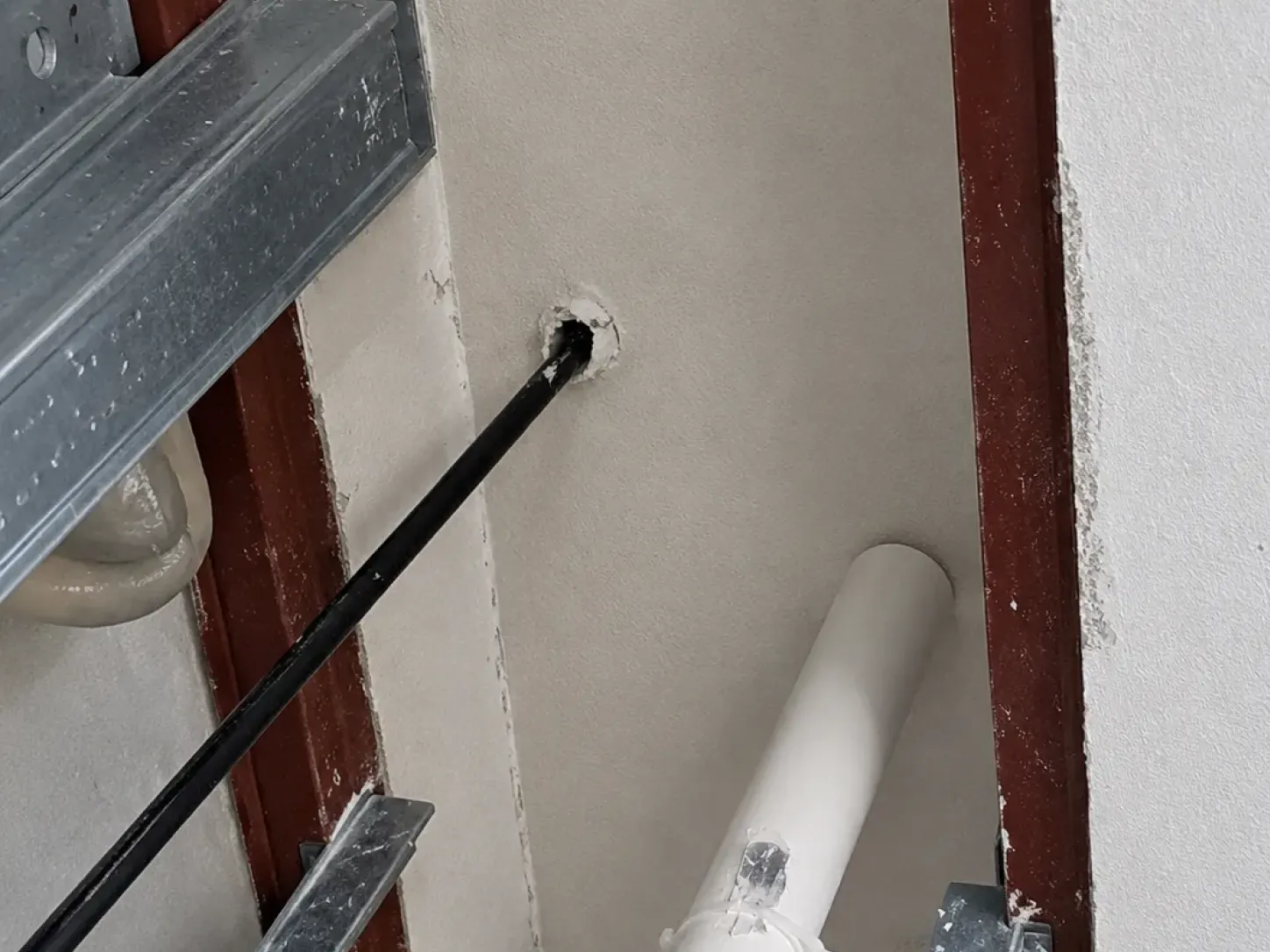
A specialised fire retardant paint for structural surfaces, designed to protect supporting structures commonly found in industrial facilities, power plants, and large commercial buildings.
A high-performance fire resistant paint for cable surfaces that helps delay ignition and slows the spread of flames on walls, ceilings, and other building interiors.
All Vijay Systems fire retardant coating products are independently tested and certified in accordance with NBC, BS 476, FM and UL standards, ensuring dependable fire protection performance.
Fire Retardant Coating Standards & Certifications - NBC, IEC, ASTM, UL & FM 3971 Compliant
All fire retardant paint and fire retardant coating systems offered by Vijay Systems Engineers are independently tested and certified to meet recognised national and international fire safety standards. These certifications ensure reliable performance in protecting building structures and critical systems during fire exposure.
Our coatings comply with key standards including:
Independent third-party testing ensures that Vijay Systems fire retardant coating solutions perform effectively under real fire conditions. Complete technical data sheets and certification reports are available to support project specifications and regulatory approvals.
All Vijay Systems fire retardant coating products are independently tested and certified in accordance with NBC, ASTM, IEC, FM 3971 and UL standards, ensuring reliable fire protection performance.
Why Architects & Engineers Specify Vijay Systems for Fire Retardant Coatings
Architects and engineers prefer proven passive fire-protection systems when specifying materials for modern buildings. Fire-retardant or intumescent coatings are widely used to protect structural elements and maintain building safety during a fire event. Below are the key reasons why architects and engineers specify fire-retardant coatings such as those offered by Vijay Systems.
Structural steel loses strength rapidly when exposed to high temperatures during a fire. Fire-retardant coatings create a protective barrier that slows heat transfer and helps steel retain its load-bearing capacity.
When exposed to fire, many coatings expand and form an insulating “char layer,” preventing the steel temperature from rising to critical levels that cause structural failure.
Why this matters to designers:
Architects must design buildings to meet fire-resistance ratings mandated by building codes and safety standards. Fire-retardant coatings tested under standards such as ASTM E119 and UL 263 can provide protection for one to two hours depending on the system.
Benefits for project compliance:
During a fire incident, time is the most critical factor. Fire-retardant coatings slow down the heating of structural elements, allowing occupants more time to evacuate and firefighters more time to control the blaze.
For architects and engineers this means:
Traditional fire protection methods like concrete encasement or cladding add significant weight and thickness to structures. Fire-retardant coatings are thin and lightweight, making them easier to apply without altering the structural design.
Design advantages:
Modern buildings often feature exposed steel structures as part of architectural design. Fire-retardant coatings provide protection without hiding the steel behind bulky materials.
Why architects prefer them:
High-quality fire-retardant coatings are designed to withstand environmental conditions such as humidity, impact, and corrosion while maintaining fire performance for decades.
This durability ensures long-term safety with minimal maintenance.
Passive fire protection systems such as Ablative / Intumescent / Vermiculite coatings are globally accepted in commercial, residential, and industrial construction because they activate automatically during fire exposure without requiring external power or human intervention.
Specify the Right Fire Retardant Paint System for Your Project
Selecting the correct fire retardant paint or fire retardant coating system is critical for ensuring effective fire protection across structural steel, building surfaces, and cable installations. Vijay Systems Engineers provides expert guidance to help architects, consultants, and contractors choose the most suitable solution for new construction, retrofit projects, and fire safety compliance upgrades. Our team supports you from technical specification to installation, ensuring reliable performance and regulatory compliance.